Chat with us, powered by LiveChat
The Best Pharmacy Software Since 1981

Pharmacy System Consolidation: What to Ask Your Vendor in Writing

In today’s rapidly evolving pharmacy technology landscape, independent pharmacy owners face increasing pressure from pharmacy software consolidations. Larger vendors are acquiring smaller pharmacy systems, sunsetting platforms, and often pushing pharmacies onto new platforms within their ecosystem. For independent pharmacy owners, understanding how these changes impact your operations and finances is critical. When considering a software consolidation or transition, it’s not enough to rely on verbal assurances—you need everything in writing.

Recognizing the Warning Signs of a Shutdown

The first step in preparing for a potential software consolidation is recognizing the warning signs that your current pharmacy system may sunset. These can include a slowdown or complete halt in system updates, a lack of new features, or an increasing push from your vendor to migrate to another platform. In some cases, customer support quality may begin to decline, or response times may increase as resources shift toward newer systems. While some vendors may frame these changes as “opportunities” for improvement, the reality is that system sunsetting can disrupt your workflow, training, and patient care if you’re unprepared. Being proactive about understanding these signs allows you to plan a transition on your terms, rather than being forced into one unexpectedly.

Get Pricing Details in Writing

Once you know a transition may be necessary, the next step is to ask for detailed pricing in writing. It’s essential to understand the full financial picture before making any commitments.

Questions to Ask Your Vendor

  • What is the full cost to move to another platform within the parent company ecosystem?
  • If we choose to leave entirely, what are the costs associated with finding and implementing a completely new system?
  • Are there any monthly base fees, transactional fees, or usage-based charges, such as RX usage fees like PioneerRX charges?
  • Are there costs tied to integrations, third-party services, or required add-on modules that may not be included upfront?

Having these details clearly documented ensures there are no surprises during or after the transition. It also allows your pharmacy to accurately budget for the switch, avoiding hidden fees or unexpected costs that can impact your bottom line.

Contractual Terms Are Non-Negotiable

Beyond pricing, independent pharmacy owners must demand written clarity on contract terms. Important items to clarify include:

  • Contract cancellation clauses: What notice period is required, and are there any penalties for early termination?
  • Migration support: Will the vendor assist with data export or system migration, and what costs are associated?
  • Future updates: Will you retain access to necessary updates until the end of the contract term?
  • Data ownership: Who owns your pharmacy’s data, and how easily can it be accessed or transferred if you decide to leave?

All these details should be documented to protect your pharmacy from sudden disruptions or unexpected financial obligations. Clear documentation also provides leverage in case disputes arise, ensuring that your pharmacy’s interests are protected.

Operational Impact and Staff Considerations

Another critical factor to address in writing is how the transition will affect your day-to-day operations. Ask your vendor what level of training, onboarding, and ongoing support will be provided. Clarify timelines for implementation, expected downtime, and how issues will be handled during the transition period. Understanding these operational details ahead of time helps minimize disruption and ensures your staff can continue serving patients without interruption.

Why Transparency Matters

At Datascan, we understand the challenges independent pharmacies face. Unlike larger consolidated vendors that may prioritize internal ecosystem moves, Datascan respects and values pharmacy owners. Our commitment is to clear, transparent pricing, easy-to-understand contracts, and no hidden fees or surprises. By providing straightforward answers in writing, we empower pharmacies to make informed decisions about their technology systems. Independent pharmacy owners should never feel trapped or coerced when choosing software—they deserve clarity, stability, and predictability.

Conclusion

Consolidation in the pharmacy software space seems to be inevitable, but being proactive and asking the right questions in writing can protect your pharmacy from disruption and financial strain. Watch for warning signs of system sunset, get all pricing and contract terms clearly documented, and ensure you understand your full financial exposure. Taking the extra time to verify details upfront can prevent costly mistakes and operational setbacks down the line. A vendor that values transparency and supports independent pharmacies, like Datascan, can make all the difference. With careful planning and clear communication, your pharmacy can navigate software transitions smoothly while maintaining operational excellence and patient care.


Best Pharmacy Software Conversions: Training, Go-Live, and Stabilization

Best Pharmacy Software Conversions: Training, Go-Live, and Stabilization

A young pharmacist at a computer learning how to use new pharmacy software

Choosing the best pharmacy software is one of the most important decisions an independent pharmacy can make. But selecting the right pharmacy management system is only half the battle. A successful conversion—one that protects your data, minimizes disruption, and positions your pharmacy for growth—depends on a well-planned, expertly executed transition that includes training, go-live support, and post-conversion stabilization.

For the independent pharmacy owner, switching pharmacy systems can feel overwhelming. Prescription data, patient profiles, inventory, third-party contracts, and workflows are the backbone of your business. Additionally, training your staff to work on a new platform can be overwhelming. Any misstep can impact patient care, revenue, and staff confidence. That’s why working with a pharmacy software provider that offers a proven, methodical conversion process is essential.

What Makes the Best Pharmacy Software Conversion?

The best pharmacy software conversions are not rushed, improvised, or one-size-fits-all. They are structured, supported, and focused on long-term success—not just rushing to take you live.

Datascan offers a tried-and-true conversion process, no matter which vendor you’re moving from. Whether you’re upgrading outdated technology or switching pharmacy management systems to better support your growth, Datascan’s approach ensures accuracy, continuity, and confidence every step of the way.

Trusted Data Conversion and Verification

A successful conversion starts with clean, accurate data. Datascan partners with the most trusted data conversion specialists to migrate your entire pharmacy data set securely and precisely. This includes patient records, prescription history, providers, inventory, and pricing data.

Once converted, Datascan performs meticulous data verification in coordination with your pharmacy team to ensure everything matches your expectations before go-live. This step is crucial for independent pharmacies that cannot afford surprises once the system is live. Any data discrepancies are reported, fixed, and retested prior to scheduling a go-live.

Step-by-Step Onboarding With a Dedicated Project Manager

Every pharmacy software conversion is guided by a dedicated Datascan project manager who walks with you through the entire process. From initial planning to your on-site go-live, you’ll have a clear timeline, defined milestones, and a single point of contact who understands your pharmacy’s unique needs.

This structured onboarding process removes uncertainty and allows your staff to prepare confidently for the transition.

Coordinated Switchover Timing

Timing is everything when converting pharmacy management software. You can’t afford to be down and Datascan carefully coordinates your system switchover to ensure seamless integration with critical services, including:

  • Switching
  • Surescripts e-prescribing
  • Credit card processing
  • Third-party connections like robots and IVR systems
  • SIGIS
  • … and many more

This coordination eliminates downtime and protects your business—the top priorities for any software for independent pharmacy.

Training That Drives Confidence and Adoption

Training is where many pharmacy software conversions fall short. Datascan takes a different, proactive approach.

Before go-live, your team receives guided pre-training so staff are familiar with workflows and expectations. During your go-live week, Datascan provides onsite training to support real-time prescription processing, billing, inventory, and patient interactions, in other words, deep training for the core functions of the pharmacy software system.

After go-live, follow-up training ensures your pharmacy is fully leveraging advanced features and technology—not just using the basics. This ongoing education helps your pharmacy maximize efficiency, profitability, and patient care. Datascan’s live support is unlike any other– ensuring that when your team has a question, it’s answered quickly by an expert technician.

Support Before, During, and After Go-Live

The difference between a stressful conversion and a successful one is support. Datascan supports your pharmacy throughout the entire transition—before, during, and after go-live.

Stabilization doesn’t end when the system turns on. Datascan continues working with your team to fine-tune workflows, answer questions, and ensure your pharmacy management software is delivering real value to your operation.

The Right Conversion Sets the Foundation for Growth

For the independent pharmacy community, choosing the best pharmacy software means choosing a partner—not just a product. With a structured conversion process, comprehensive training, and long-term support, Datascan ensures your pharmacy doesn’t just survive a software change—it thrives because of it.

A strong conversion today sets the foundation for better efficiency, improved patient care, and sustainable growth tomorrow.

What Can Pharmacy Software Automate in My Pharmacy?

What Can Pharmacy Software Automate in My Pharmacy?

a pharmacist using software to automate tasks

Running an independent pharmacy comes with endless moving parts—filling prescriptions, managing inventory, communicating with patients, speaking with doctors, and so much more. It’s easy to feel burnt out trying to balance it all while still delivering quality care. That’s where the best pharmacy software system automation steps in to transform the way you operate and run your pharmacy.

Automation for Today’s Pharmacy

Modern pharmacy management software is no longer just about processing prescriptions—it’s about automating time-consuming tasks, increasing efficiency, and freeing your team to focus on patient care. And when it comes to automation, Datascan stands out as one of the best pharmacy software solutions on the market for independent pharmacies.

Let’s explore what exactly your pharmacy management system can automate and how Datascan’s robust tools can revolutionize your daily operations.

1. Automating Prescription Refills

One of the biggest time savers in any pharmacy is auto-refill. With Datascan, you can set patients up on auto-refill, ensuring they never miss a dose and that your team spends less time manually processing requests. Patients can opt in any prescription, and in Datascan’s pharmacy software you can set up the auto refill utility to transmit and process prescriptions at custom thresholds, all automatically without wasting staff time.

The software automatically generates requests if a patient runs out of refills, and even flags any potential interactions prior to transmitting the claims. Not only does this improve adherence and patient satisfaction, but it also helps your pharmacy maintain a consistent workflow and fill more prescriptions.

Refill automation means fewer phone calls, fewer missed refills, and a smoother experience for both patients and staff.

2. Medication Synchronization (Med Sync)

Medication synchronization—or Med Sync—is a powerful feature that aligns all of a patient’s prescriptions to be refilled on the same day each month. Datascan’s pharmacy system automates the scheduling and management of this process.

Instead of juggling multiple refill dates, the pharmacy software helps to sync up the patients’ maintenance medications in their profiles. This helps your pharmacy fill more prescriptions, improve medication adherence, and increase patient loyalty.

For independent pharmacies, Med Sync automation is a game-changer—it allows you to proactively manage patient care while streamlining your dispensing schedule. Pharmacies using Med Sync report better adherence and more prescriptions filled– resulting in bigger profits and lower DIR fees.

3. Refill Requests to Doctors

One of the most time-consuming tasks in any pharmacy is managing refill authorizations with prescribers. Without any type of system automation, staff have to spend time on the phone calling doctors’ offices or manually sending faxes, often waiting for approval or having to call back. With Datascan’s automation tools, refill requests to doctors can be sent electronically or via fax without the need for repetitive manual work. Datascan’s pharmacy computer system even allows you to set up automatic resubmissions for pending requests at scheduled intervals.

The system tracks pending authorizations and automatically resends requests when necessary. Once the provider approves, the prescription is immediately updated in your system, saving hours of follow-up calls and faxes.

This kind of automation helps keep your prescription queue moving efficiently and ensures patients receive their medications on time.

4. Patient Communication & Text Alerts

Today’s patients expect convenience and real-time updates—and the best pharmacy software from Datascan delivers exactly that. Through automated text messaging, patients can receive:

  • Refill reminders
  • Pickup notifications
  • Adherence alerts
  • Restock reminders
  • Two-way communication for quick questions

This not only reduces the number of phone calls to your pharmacy but also enhances patient satisfaction. Datascan’s automated texting platform allows you to customize messages, timing, and even language to match your pharmacy’s tone and branding.

5. Reporting and Analytics

Data is the backbone of every successful business—and pharmacies are no exception. Datascan’s software for pharmacies automates several reports, giving you instant access to valuable insights.

You can schedule automatic reports to run daily, weekly, or monthly, or even as a single instance. These reports can be used to track prescription volume, profit margins, insurance reimbursements, inventory trends, and so much more.

With automated reporting, you’ll always have up-to-date business intelligence at your fingertips—helping you make informed decisions without spending hours pulling data manually.

6. Inventory Management and Price Updates

Manually updating inventory and drug costs can be one of the most tedious aspects of running a pharmacy. Datascan automates much of this process through real-time updates from wholesalers and EDI.

The best pharmacy software monitors stock levels, expiration dates, and reorder points automatically. It can generate purchase orders, reconcile invoices, and even alert you when inventory levels fall below set thresholds.

Automatic price updates ensure that your pharmacy is always billing accurately—minimizing errors and preventing lost revenue.

By automating these backend tasks, you can keep your shelves stocked optimally and ensure your pricing stays competitive.

7. Workflow Scheduling and Task Automation

One of Datascan’s most unique features is its automation scheduler—a one-of-a-kind tool that allows you to customize and schedule specific automated tasks to fit your pharmacy’s workflow.

For example, you can schedule your software to:

  • Send refill reminders to patients
  • Run daily dispensing reports
  • Submit refill requests to doctors
  • Update wholesaler drug costs

This level of customization makes Datascan the best pharmacy system choice for independent pharmacies looking for complete control and flexibility.

Instead of adapting your operations to the software, Datascan adapts to you—helping your pharmacy run smarter, not harder.

The Power of Automation for Independent Pharmacies

For independent pharmacy owners, every minute matters. Automating repetitive tasks with Datascan frees your staff to focus on what truly matters—building patient relationships and improving care outcomes.

By integrating automation into your daily workflow, you can:

  • Reduce administrative workload
  • Eliminate redundant manual tasks
  • Increase prescription accuracy and volume
  • Boost profitability through efficiency
  • Enhance the patient experience

Datascan’s automation tools are designed specifically for the needs of independent pharmacies. Whether you operate a single location or multiple sites, the software can scale to support your unique workflow.

Final Thoughts: Choosing the Best Pharmacy Software for Your Needs

Not all pharmacy software is created equal. While most systems offer some form of automation, the level of customization and ease of use varies greatly between vendors.

Datascan distinguishes itself as one of the best pharmacy software solutions by combining intelligent automation with flexibility and customer support that independent pharmacies can trust.

If you’re ready to streamline operations, reduce errors, and elevate patient satisfaction, it’s time to explore what Datascan’s pharmacy systems can do for your business.

Automation isn’t about replacing people—it’s about empowering your team to perform at their best. With Datascan, your pharmacy can operate more efficiently, stay competitive, and deliver the kind of personalized service that keeps patients coming back.

Is Your Pharmacy Software Shutting Down or Being Sunset?

Is Your Pharmacy Software Shutting Down or Being Sunset?

Independent Pharmacy Software Consolidations, Mergers, and Sell-offs: Why Being Independently Owned Matters

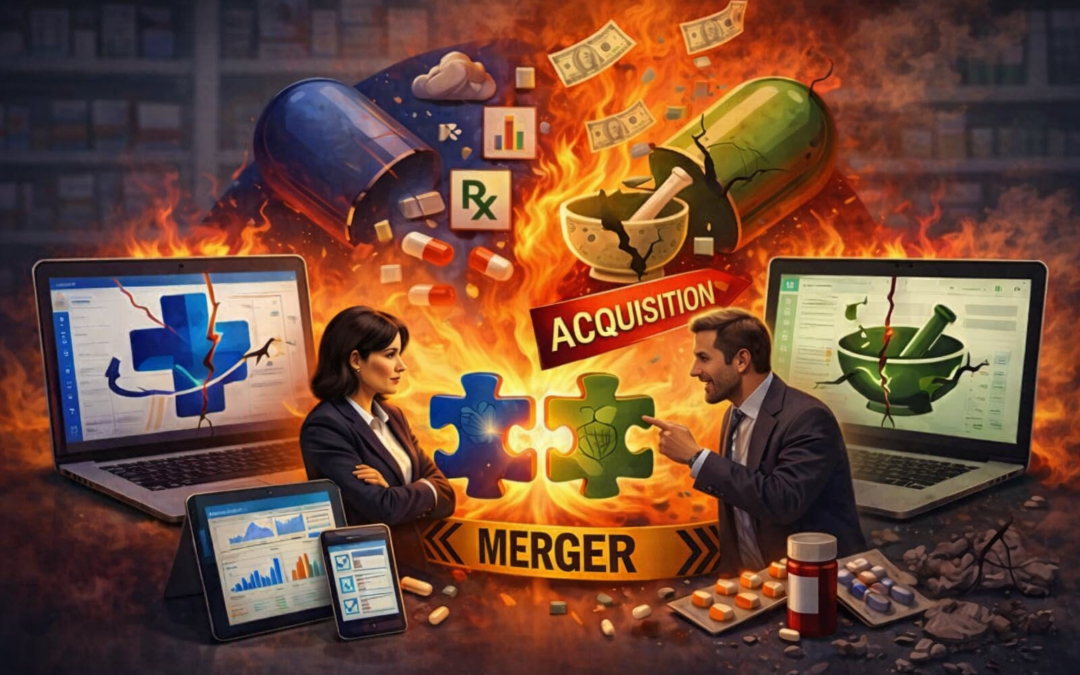
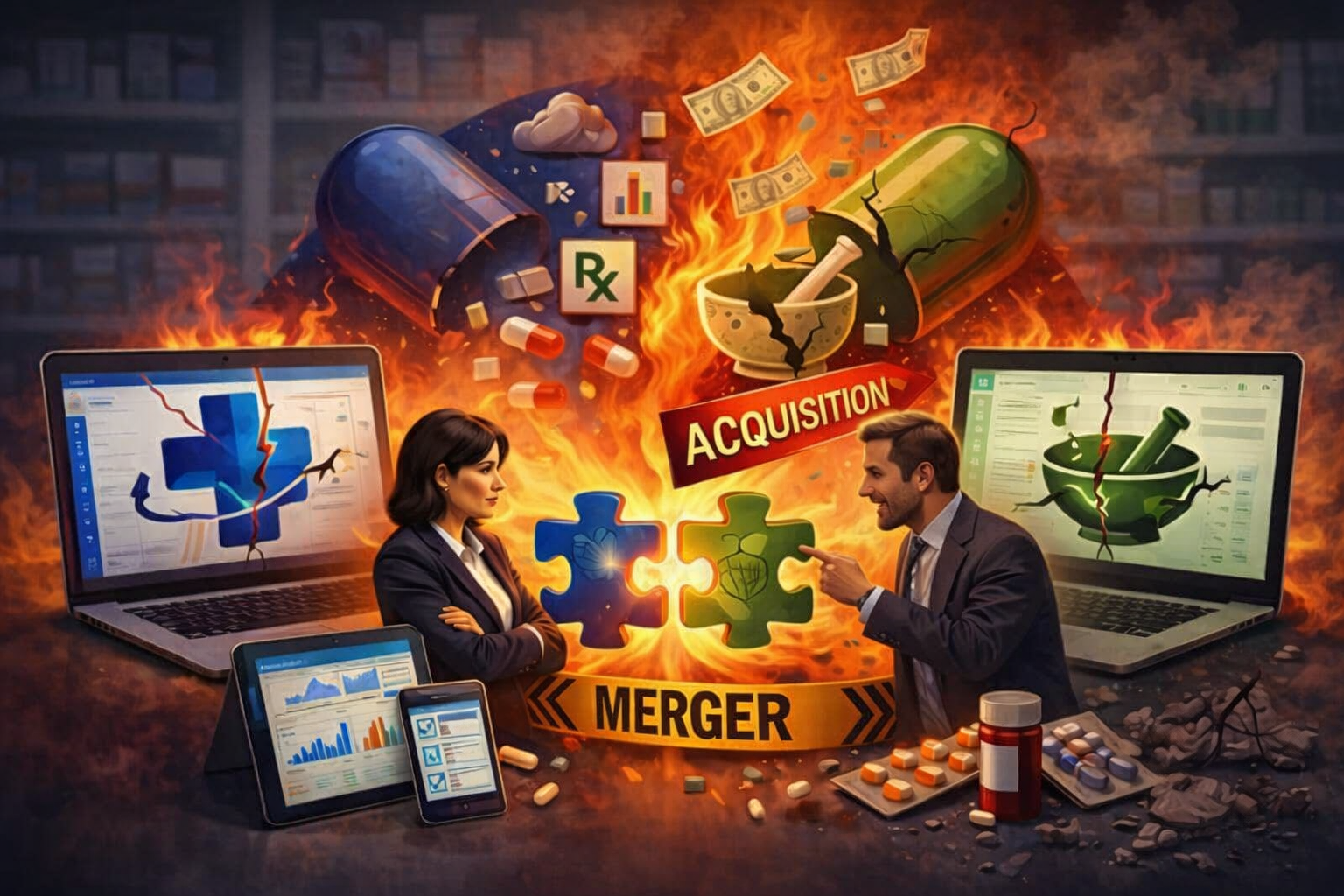
An illustration representing pharmacy software company mergers and the dysfunction that it causes in the industry
  • Large software companies have changed the landscape of pharmacy management software
  • This has resulted in many software programs to become obsolete, forcing pharmacy owners to convert
  • Independent pharmacy software remains a reliable option and evolves with changing needs

Over the past decade, the pharmacy software vendors that served independent pharmacy owners have undergone dramatic upheaval. Once saturated with niche vendors focused solely on the needs of community pharmacies, the market has seen a wave of shutdowns, mergers, and selloffs driven by private equity and large corporate owners. This is leaving many pharmacy owners scrambling to adjust or switch platforms. Software vendors that once felt like trusted partners suddenly disappear or change hands.

Private equity and large corporate acquisitions have reshaped the playing field. Companies like Transaction Data Systems (TDS), backed by BlackRock, now own multiple legacy systems, including ComputerRx and Rx30 (now rebranded under Outcomes), consolidating what were once independent options into a single corporate group.

Likewise, RedSail Technologies — itself the result of a private equity acquisition — has absorbed major platforms like PioneerRx, QS/1, BestRx, Integra, PowerLine clearinghouse (a switch for Rx insurance claims), and TransactRx.

This consolidation boom has coincided with a concerning trend: software shutdowns that force independent pharmacies to find new pharmacy management systems. Well-known pharmacy management software products such as Cerner Etreby, McKesson’s Pharmaserv and Pharmacy RX, HBS, Opus, Rx Dispense by PCCA, and others have been sunset or discontinued, often with little notice. These shutdowns leave pharmacies with data migration headaches, unexpected costs, and disruption to workflows in an already challenging operating environment.

The acquisition spree hasn’t gone unnoticed by regulators. Beginning late 2025, the U.S. Department of Justice (DOJ) weighed in on a a proposed merger between RedSail Technologies and Micro Merchant Systems, the operator of the PrimeRx platform, also owned by private equity TA Associates.

DOJ officials met with antitrust leadership about concerns that combining two major providers in a concentrated market could reduce competition and harm independent pharmacy customers, ultimately creating a monopoly. As of February 2026, this partnership went through– giving RedSail even more market share than ever before.

For many independent pharmacy owners, these changes have real consequences. Consolidation under one corporate umbrella can lead to longer wait times and poorly trained support, unpredictable pricing changes, and product roadmaps driven by investor priorities rather than pharmacy needs. Some pharmacies find themselves repeatedly migrating platforms as parent companies chase efficiency, sunset older systems, or push customers onto newer, often more expensive products.

In contrast, Datascan Pharmacy Software represents a very different model: a family-owned, independent vendor with a continuous track record dating back over 45 years. While many competitors have been absorbed into investment portfolios, shut down, or significantly altered by ownership changes, Datascan remains independently owned and focused on independent pharmacy priorities, making more money, focusing on profit per rx, automation allowing for less staff, and inventory features to help combat wasteful spending. Datascan also focuses on fast, responsive support, long-term platform stability, and features built to help community-based pharmacies.

Being independently owned isn’t just about pride of ownership; it means decisions are shaped by customer needs, not investor profits. At a time when the industry is consolidating, and regulators are scrutinizing the competitive implications of these deals, independent pharmacy computer systems vendors offer a stabilizing alternative for pharmacies that want a partner rather than a software that might be resold or sunset down the road.

For independent pharmacy owners navigating an increasingly complex software market, the contrast is clear: choose a pharmacy system built with your business in mind, not one that could be next on the acquisition or shutdown list.

Timeline: Major Mergers, Acquisitions & Shutdowns in Independent Pharmacy Software

Late 2010s – Early 2020s: Market Consolidation Begins

  • McKesson — once a key provider to independent pharmacies with platforms like Pharmaserv and Pharmacy RX — decided to sunset support for these systems, forcing customers to migrate to new platforms.
  • Cerner Retail publicly announced plans to discontinue support for its independent pharmacy platform by the end of 2023 after earlier sunset dates.
  • Health Business Systems (HBS), previously acquired by a private equity-backed firm, was also sunset shortly after its sale.

2020 – 2021: RedSail Emerges as a Consolidator

  • In 2020, RedSail Technologies — previously Smith Technologies before a private equity takeover — began acquiring major independent pharmacy software brands.

  • PioneerRx was acquired by RedSail in late 2020, creating what the company called one of the largest independent pharmacy software networks in the U.S. with over 9,000 pharmacies using one of its platforms.
  • RedSail had already incorporated brands like QS/1, Integra, PowerLine, and other legacy vendors into its portfolio as part of its growth strategy.

2022 – 2025: Continued Roll-Ups & Platform Additions

  • TransactRx, a billing and transaction services platform, was acquired by RedSail in mid-2022 to extend its software beyond traditional dispensing functions into medical billing.

  • RedSail continued adding to its portfolio with acquisitions like BestRx and RxMile in 2024–2025, further expanding its footprint in the independent space.
  • Meanwhile, independent vendors continued to discontinue products: RxDispense (a compounding pharmacy management system) issued sunset notifications, leaving users searching for replacements.
  • Other legacy brands such as PDX Community Pharmacy Software, Opus, and various smaller systems have also exited the market or shifted focus over the period.

By the mid-2020s, most well-known pharmacy management systems used by community pharmacies were part of either RedSail’s suite or owned by large consolidators like Transaction Data Systems (TDS) and other private equity-backed companies.

2025: DOJ Review of RedSail/PrimeRx Merger

In late 2025, the U.S. Department of Justice (DOJ) formally reviewed a proposed merger between RedSail Technologies and Micro Merchant Systems, the operator of the PrimeRx platform. Regulators expressed concern that combining two major providers in a concentrated independent pharmacy software market could harm competition. RedSail and Micro Merchant executives even met with the DOJ’s Antitrust Division during the confidential review process, before approving the merger.

This scrutiny highlights how far the market has consolidated, to the point that bringing two remaining large vendors together could trigger antitrust concerns.

Takeaway

Over the last decade, the independent pharmacy software landscape has shifted from a diverse field of standalone vendors to one dominated by a handful of corporate consolidators. Many beloved systems have been sunset, acquired, or rebranded, and regulatory bodies have begun to take notice.

Companies like Datascan Pharmacy Software, independently owned for over 45 years, cares about their customers. Datascan cares about the future of independent pharmacies and preserving what their family and the families of their customer base worked so hard to build. Datascan is here, focused on helping their pharmacy clients make more money, and not just through technology, but through stable pricing and NO hidden fees or costs (which is very hard to find these days).

How to Migrate from an Older Pharmacy Management System Safely

How to Migrate from an Older Pharmacy Management System Safely

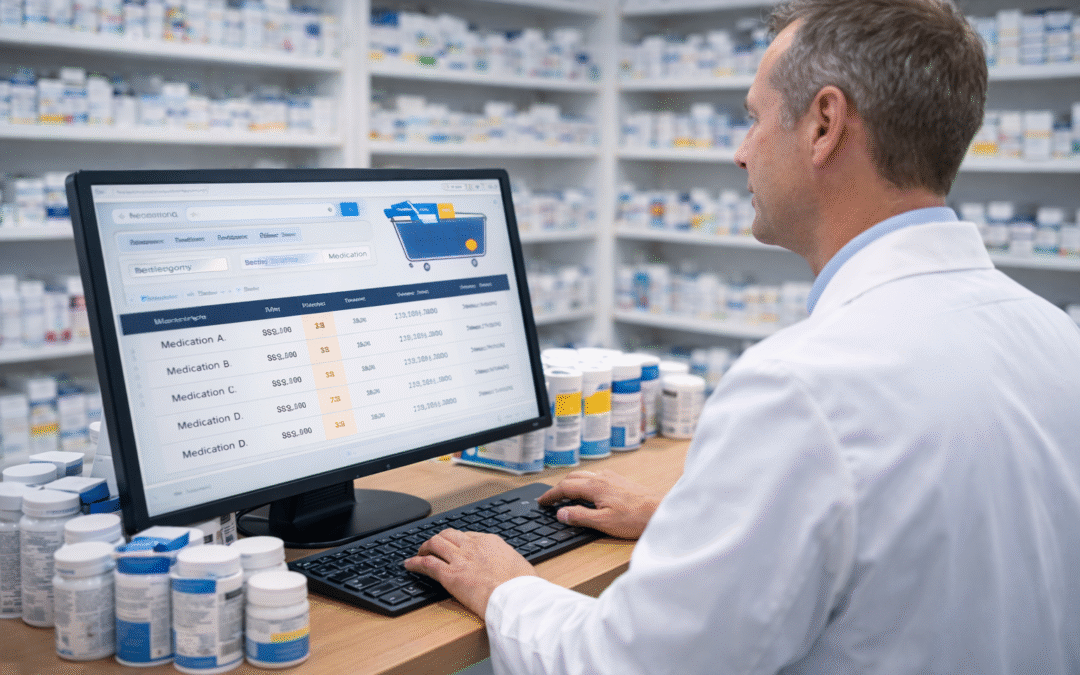
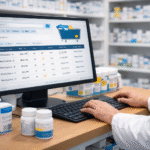
Pharmacist standing behind a counter in a modern pharmacy, reviewing medication inventory on a desktop computer
  • Migrating from an older pharmacy management system can feel overwhelming for any pharmacy owner or manager.
  • A pharmacy software system touches every part of daily operations.
  • Moving to a new system can present troubles without the right support
  • Datascan offers award-winning customer support

When it comes to migrating pharmacy software systems, there’s a lot to consider. From prescription processing and inventory to billing and patient care, it’s common to feel nervous about a transition. However, with the right planning and partner, moving to modern pharmacy software can be a smooth, low-stress process that positions your pharmacy for long-term success.

The first step in a safe migration is recognizing why it’s time to move on.

Legacy pharmacy management systems often struggle to keep up with today’s demands:

  • Changing reimbursement models
  • Enhanced clinical services
  • Tighter compliance rules
  • Rising patient expectations

Modern pharmacy software solutions are designed to support these needs, especially for the independent pharmacy market, where efficiency and reliability matter most.

Data Conversion

One of the most critical elements of a successful transition is data conversion. Your prescription history, patient records, drug files, pricing, and reporting data must be transferred accurately and completely. This is where experience truly matters. Datascan pharmacy software uses a proven, tried-and-true method for data conversion that has been refined over decades. Datascan works with a trusted data conversion partner to extract test data from your existing pharmacy management system and then carefully validates that data before anything goes live.

Data Validation

This validation phase is essential. Datascan doesn’t convert data in isolation. It works directly with your pharmacy team to review and confirm that patient profiles, drug records, and historical information are correct. Any discrepancies are identified and resolved early, reducing surprises on go-live day. This careful, methodical conversion process is fully outlined on Datascan’s website at DatascanPharmacy.com/conversions, giving pharmacies full transparency into what to expect.

Comprehensive Software Migration Onboarding Support

Beyond data conversion, a safe migration requires thorough onboarding and setup. Datascan continues to work hand in hand with pharmacy staff to onboard your pharmacy and configure all critical services.

This includes switching, ePrescribing, credit card processing, and SIGIS accounts. Each component is set up and tested to ensure seamless integration with your new pharmacy management system, so your workflows remain uninterrupted. While Datascan onboards you, we are working with your staff on pre-training– ensuring that when we arrive for your go-live your staff is familiar with the system.

Ongoing Support

Experience is one of the most important factors when choosing the best pharmacy software. Datascan has been offering seamless data conversions for over 45 years, helping independent pharmacies modernize without sacrificing stability. That longevity means Datascan has seen virtually every system, scenario, and challenge, and knows how to plan around them.

Ultimately, Datascan’s number one job is to ensure your pharmacy is converted with little to no interruption to day-to-day operations. A safe migration protects what matters most: your ability to continue serving patients with the utmost care and attention. With the right pharmacy management system and an experienced partner like Datascan, upgrading your pharmacy software doesn’t have to be risky: it can be a confident step forward.